

Charged with a Crime? Don’t Waste Time. Call 844-ACCUSED
Burglary, Theft & Robbery Defense Attorneys
Albany Theft, Burglary & Robbery Criminal Defense Attorneys
Being charged with stealing, burglary, robbery, or any property-related crime in New York is extremely serious. These offenses carry harsh penalties, including jail or prison time, a permanent criminal record, and long-term consequences for employment, housing, and professional licensing. If you or a loved one is under investigation or has been arrested in Albany, Schenectady, Troy, Saratoga, or anywhere in upstate New York, an experienced criminal defense lawyer can make a critical difference in the outcome of your case.

Burglary, Theft & Robbery Criminal Charges in New York
Theft, Burglary, and Criminal Trespass Charges in New York
Criminal Trespass and Burglary are related charges under New York law. Both offenses have three levels of charges, and both become increasingly serious depending on where the alleged crime occurred and whether a weapon was involved. A person can face enhanced penalties if they are accused of entering a dwelling, using or possessing a dangerous instrument, or causing injury during the incident. Even a first-time offender can quickly find themselves charged with a felony depending on the circumstances.
Robbery Charges in New York
Robbery is the forcible stealing of property, and it is one of the most serious property crimes in New York. Unlike simple theft, robbery involves the use or threat of physical force. Because of this, robbery is always charged as a felony, and a person convicted of robbery faces significant state prison time. The severity of the charge whether it is Robbery in the Third, Second, or First Degree depends on factors such as the use of a weapon, injuries to another person, or the involvement of multiple participants. For anyone facing a robbery accusation in Albany, Schenectady, Troy, or Saratoga, contacting a criminal defense lawyer who regularly handles violent and property-related felonies is essential.
A stealing, burglary, or robbery accusation does not mean a conviction is inevitable. Our criminal defense attorneys examine every detail of the case, including how law enforcement conducted the investigation, whether the identification procedures were reliable, and whether the prosecution can prove intent or force beyond a reasonable doubt. We work to uncover weaknesses in the government’s case, negotiate reduced charges when appropriate, and aggressively pursue dismissals or not-guilty verdicts at trial.
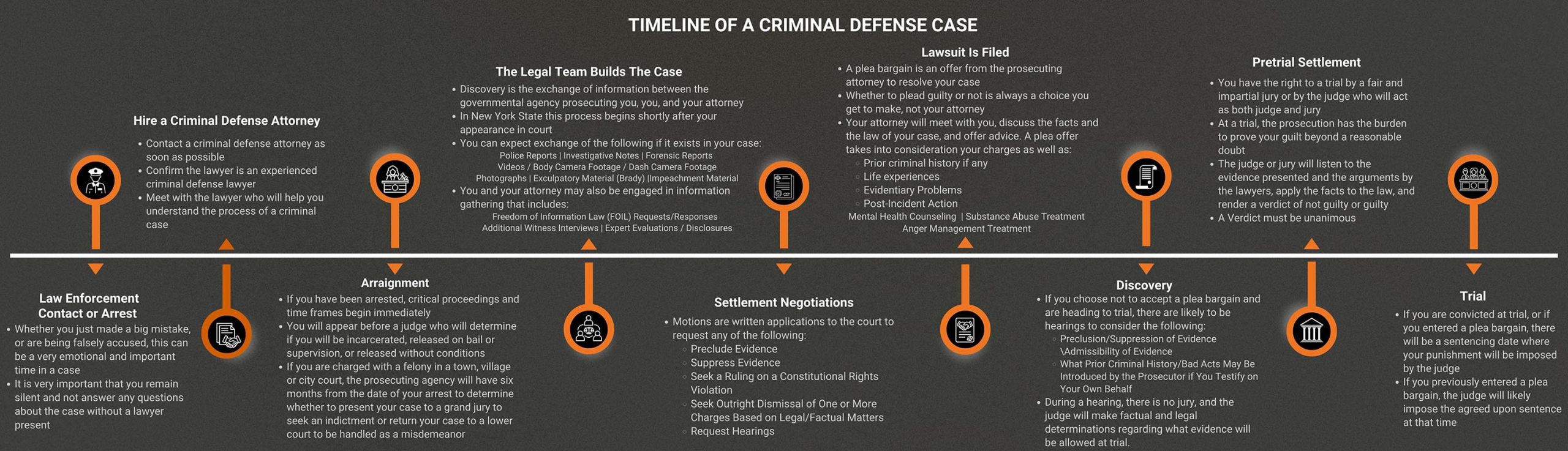
If you have been charged with burglary, criminal trespass, robbery, or another theft-related offense in upstate New York, you need a skilled criminal defense attorney who understands the law and knows how to fight these cases. Our defense team is prepared to protect your rights, explain your options, and help you navigate every stage of the criminal justice process.
FAQs About Burglary & Robbery Offenses
Robbery in the Third Degree is forcibly stealing property. Any larceny offense would qualify, so long as force was used to steal the property.
Robbery in the Third Degree is a class D felony. You face up to 7 years in a New York state prison facility or up to 5 years of probation as well as fines, restitution, and an order of protection.
All Robbery charges require some use of force in addition to stealing something. “Forcibly steal” means using or threatening the use of immediate physical force. Therefore, even if no actual force is used, if it was threatened, that is enough to qualify.
Robbery in the Second Degree is forcibly stealing property together with any one of the following:
- You were helped or “aided” by another person present at the robbery.
- A victim was physically injured.
- You displayed or showed what appeared to be a firearm or gun. It does not matter if the object was actually a firearm or not, however it does have to be displayed.
- The property you stole was a motor vehicle.
Robbery in the Second Degree is a class C violent felony. This is a violent felony by definition, and it does not matter if you never hurt anyone and never meant to hurt anyone.
If convicted of Robbery in the Second Degree, a prison sentence is mandatory, between 3 ½ to 15 years. You are also subject to post-release supervision after your release from prison between 2 ½ and 5 years. Post-release supervision acts similar to probation or parole but only occurs on release from prison on a violent felony. You also face up to a $5,000 fine and court fees, restitution, as well an order of protection.
Robbery in the First Degree is forcibly stealing property, however there must also be any one of the following:
- A victim was seriously physically injured.
- You were armed with a deadly weapon. A workable, operable gun is a deadly weapon, but there are many non-firearm weapons that qualify. What matters here is it was possessed, not that it was ever shown or used.
- You used or threatened the use of a dangerous instrument. A dangerous instrument is most anything that can cause death or other serious physical injury.
- You displayed or showed what appeared to be a firearm or gun, however, for this offense, you may assert an affirmative defense that the weapon was not operable or able to shoot. This is only a defense to Robbery in the First Degree, not Robbery in the Second or Third Degrees.
Answering “Who is the best criminal lawyer” to represent you if you are charged with any crime can only be answered after you have considered the following:
- Experience
- Availability
- What do other clients say about the lawyer you want to hire?
- Is your lawyer listed as a “Super Lawyer” and a “Best Lawyer”?
Considering these factors will help guide you to making the decision about who is the best lawyer to represent you. You should meet with your criminal defense lawyer to make sure you choose the right lawyer for you.
Whether your case resolves by way of a plea bargain or proceeds to trial depends on a number of factors including the strength of the evidence against you, whether you have an alibi or other defense to be raised, whether there are witnesses against you, and what the offer is as compared to the risk of a conviction and a higher sentence if you proceed to trial. Whether your case proceeds to trial is ultimately up to you. However, you should talk to your criminal defense lawyer about all these issues before you make a decision.
Robbery cases are serious offenses and, when defended properly, require a lawyer to devote dozens, if not hundreds of hours of time to your case. Simply stated the more time a lawyer spends on your case, the higher the fee will be. Thus, if your case proceeds to trial, the fee will be greater than if your case resolves by way of a plea bargain. To find out more click here.
Under New York Law, both crimes deal with being somewhere you are not authorized to be. Criminal Trespass is the simple act of being in that location. Burglary is the act of being in that location with the intent to commit a crime. This small, but important difference drastically increases the seriousness of a potential charge.
Yes. Burglary is being somewhere you are not supposed to be with the intent to commit any crime therein. That includes all crimes, not just a larceny.
There are multiple types of Criminal Trespass in the Third Degree (NY Penal Law §140.10). However, the most common is knowingly and unlawfully entering a building (though not a home) or real property that is fenced or otherwise enclosed.
Criminal Trespass in the Third Degree is a class B misdemeanor. You face up to 90 days in jail, 1-year probation, a $500 fine and court fees, as well as possibly an order of protection and community service.
Burglary in the Third Degree is similar. (NY Penal Law §140.20). This crime involves knowingly and unlawfully entering a building (again, not a home), with the intent to commit any crime.
Unlike the low-level misdemeanor of Criminal Trespass in the Third Degree, Burglary in the Third Degree is a class D felony. You face up to 7 years in state prison, up to 5 years’ probation, up to a $5,000 fine and court fees, as well as possibly an order of protection and community service.
Criminal Trespass in the Second Degree (NY Penal Law §140.15) is the same as in the Third Degree except that the building you entered was a home.
Criminal Trespass in the Second Degree is a class A misdemeanor. You face up to 1 year in jail, 3 years’ probation, up to a $1,000 fine and court fees, as well as possibly an order of protection and community service.
Burglary in the Second Degree (NY Penal Law §140.25) does the same increase and is charged when the building you entered with the intent to commit a crime was a home. You can also be charged with this degree of Burglary in buildings that are not homes if you (1) cause physical injury to someone in that building; (2) possess a dangerous instrument; or (3) display a firearm.
Burglary in the Second Degree is a class C violent felony. This is a violent felony by definition and it does not matter if you never hurt anyone and never meant to hurt anyone.
If convicted of Burglary in the Second Degree, a prison sentence is mandatory, between 3 ½ to 15 years. You are also subject to post release supervision after your release between 2 ½ to 5 years. You also face up to a $5,000 fine and court fees, as well as possibly an order of protection.
Criminal Trespass in the First Degree (NY Penal Law §140.17) is again knowingly and unlawfully entering a building but this time while possessing a firearm, rifle, or shotgun. Keep in mind, for this crime, it does not matter if you are legally allowed to possess such item, nor does it matter if you never intended to do anything wrong. The crime is being in the building when you are not allowed to be and with a firearm, rifle, or shotgun.
Criminal Trespass in the First Degree is a class D felony. You face up to 7 years in state prison, up to 5 years’ probation, up to a $5,000 fine and court fees, as well as possibly an order of protection and community service.
Burglary in the First Degree (NY Penal Law §140.30), as with Burglary in the Second Degree, requires unlawfully being in a home with the intent to commit a crime. To become a First-Degree Burglary, while unlawfully in the home: (1) someone suffers a physical injury; or (2) you possess a dangerous instrument or display a firearm.
Burglary in the First Degree is a class B violent felony. As with Burglary in the Second Degree, this is a violent felony by definition and it does not matter if you never hurt anyone and never meant to hurt anyone. If convicted of Burglary in the First Degree, a prison sentence is mandatory, between 5 to 25 years. You are also subject to post release supervision after your release between 2 ½ to 5 years. You also face up to a $5,000 fine and court fees, as well as possibly an order of protection.
Law Firm Testimonials
“Dear Mr. Safranko,
Thank You so much for answering my question, and so expediently!
The dedication, respect, and consideration with which you treat your clients, current and past, is remarkable. It is why I reached out to you when searching in my time of need, and why I would highly recommend…
“The arrest of my husband in 2008 was an extremely difficult and emotional time for our family. The arrest turned our lives upside down. It was sudden and unexpected and had tragic emotional as well as financial consequences. I had no idea what to do under the circumstances….
“The staff at LaMarche Safranko Law took care of whatever I needed, it was just fabulous. It was top shelf, if I called, I got George. If he was in a meeting, they left him a message. He called me right back after the meeting. Everybody was very courteous and very nice there. If I left a voicemail, everybody got back to me quickly. The level of service was very, very good and I would Highly recommend them.”
“Dear Andrew and George,
I cannot thank you enough for your hard work, diligence, and selfless manner that you put towards my legal difficulties in Colonie. From the first moment I met you, you helped reassure me that things were going to turn out in a more favorable manner than I originally thought. Clearly, the final result of my court case displays the quality of time and work that you put into this….
“Dear George, Andy and Staff,
Thank you all for your kindness and all your help in getting back to my wellbeing and life. I could not have done it without you all. Everything is going so well again. I recommend you highly. Thanks Again!”
“I cannot thank George E. LaMarche lll and his team for the excellent legal work they provided for my son, and in extension, our entire family. His experience, knowledge of the law, networking ability and communication is second to none. In our case, our son was wrongly accused by a small town police officer and charged with 5 tickets…
“I wanted to express my deepest appreciation to Mr. Andrew Safranko for the exceptional job he did in regards to my legal representation. Mr. Safranko displayed the utmost in professionalism and discretion during the entire court process, and took the time to explain each and every step….
“I wanted to take this opportunity to thank you for your excellent representation on my recent matter. I have worked with lawyers, and in law firms much of my professional life, but I have never encountered the rare mix of skill, integrity and humanity in one individual—you….
“Dear Andy,
Thank you so much for everything you have done for our son over the last three years. This has been a very challenging time for our family and the knowledge that our son has an attorney as capable and amazing as you are has given us peace of mind!
“No one likes to be in a bad situation, but if you need a lawyer George is your man. Not only does he point you in the right direction he offers good advice for your future. As much as we bring him business he does not encourage that next time anticipation….
“Throughout the attorney client relationship regarding my personal injury lawsuit, George and his staff continually exhibited tremendous amounts of legal knowledge, skill, and a vast amount of expert resources that ultimately resulted in a final judgment in my favor. George was there every step of the way to explain where we stood and what to expect next and there was never a need to question his professional judgment…
“My family and I cannot thank George and his staff enough for all of the support and guidance they have given us over the past six months. Anyone who has ever suffered a personal injury knows how difficult they are to overcome, but I’m glad we had such an intelligent and hardworking attorney on our side so I could focus on my recovery rather than on the details of the case….
“I am an attorney who found himself in the middle of a serious, personal legal matter that compromised not only my personal life but my professional life as well. I immediately contacted Andrew (Andy) Safranko, Esq. Andy worked tirelessly and extremely hard to bring my legal situation to a very favorable resolution. In so doing, Andy not only saved certain aspects of my personal and professional life…
“I can honestly say that the best decision I’ve ever made was retaining George LaMarche as my attorney. I was in a situation where everything wasat risk; my career, livelihood, and the ability to provide for my family. In desperation, I contacted over a dozen attorneys. The majority of the lawyers I spoke with promised results without seeing paperwork or knowing valuable facts….
